
Blog & Resources
Gentle, practical insights on child counselling, play therapy, neurodiversity, parenting, and motherhood, written by Sheila Aini, MC, RCC.

Why big feelings can feel fast, intense, and hard to recover from for some children with ADHD, and why regulation, not obedience, is the place to begin.
August 25, 2026Read Article

How repeated correction, executive-functioning struggles, and masking can shape a teen's identity, and how counselling can help separate the teen from the problem.
August 25, 2026Read Article

A parent's guide to the less obvious signs of low self-esteem in children, preteens, and teens, and what may sit beneath the harsh self-talk.
August 25, 2026Read Article

Emotional Regulation
Behaviour is what we see, not the whole story. How to respond to big reactions with compassion and boundaries, and when support may help.
August 25, 2026Read Article
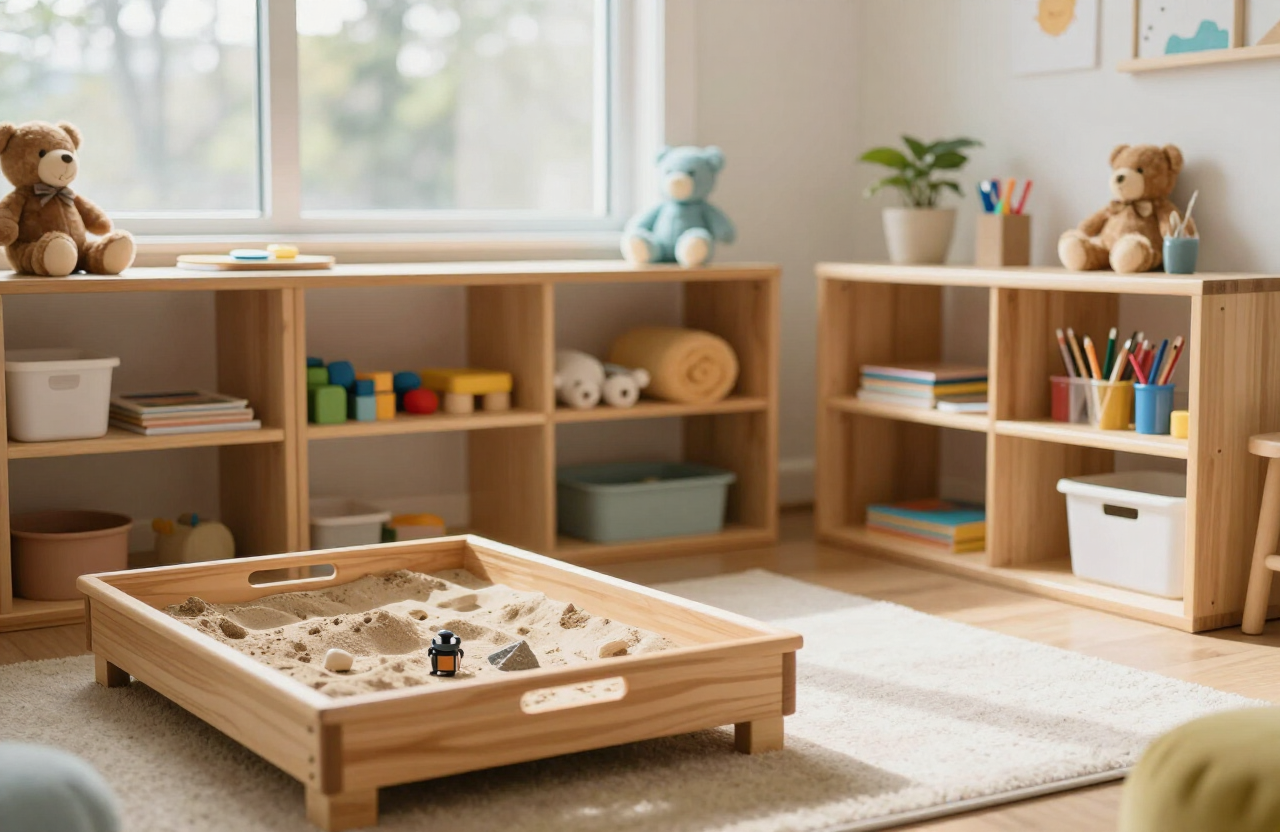
About Sunny Spot
Meet Sheila Aini, MC, RCC and explore Sunny Spot, a warm counselling space for children, teens, parents and families in Port Coquitlam.
August 15, 2026Read Article

Learn how to respond when your teen says I am fine, with a low pressure script that protects privacy, dignity and connection.
August 15, 2026Read Article
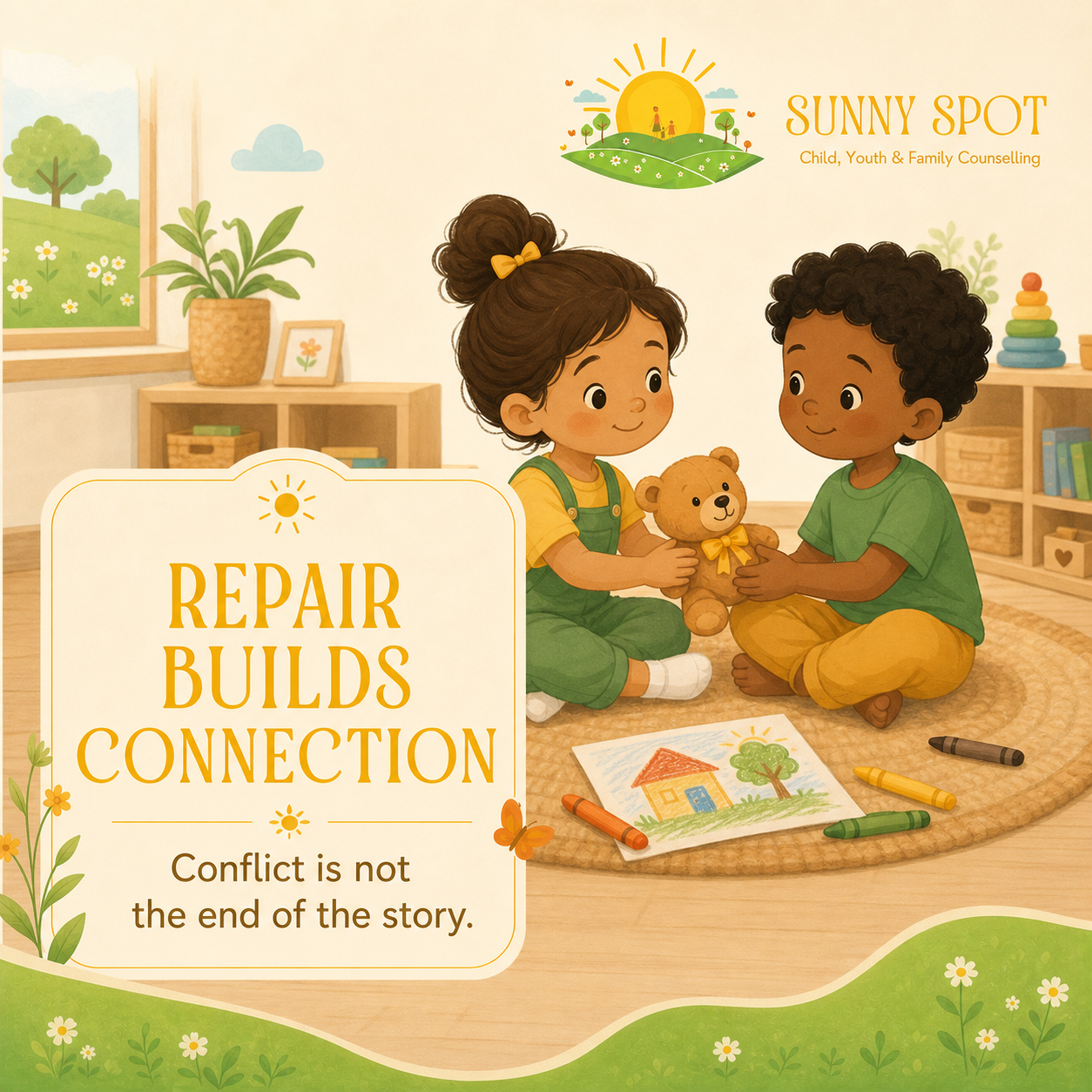
A compassionate repair script for parents after raising their voice, with practical steps for responsibility, reconnection and trying again.
August 15, 2026Read Article

A gentle four step response for repeated reassurance seeking that supports your child without promising impossible certainty.
August 15, 2026Read Article

A gentle guide for an overstimulated parent or caregiver, with a clear two minute pause script that protects connection.
August 15, 2026Read Article
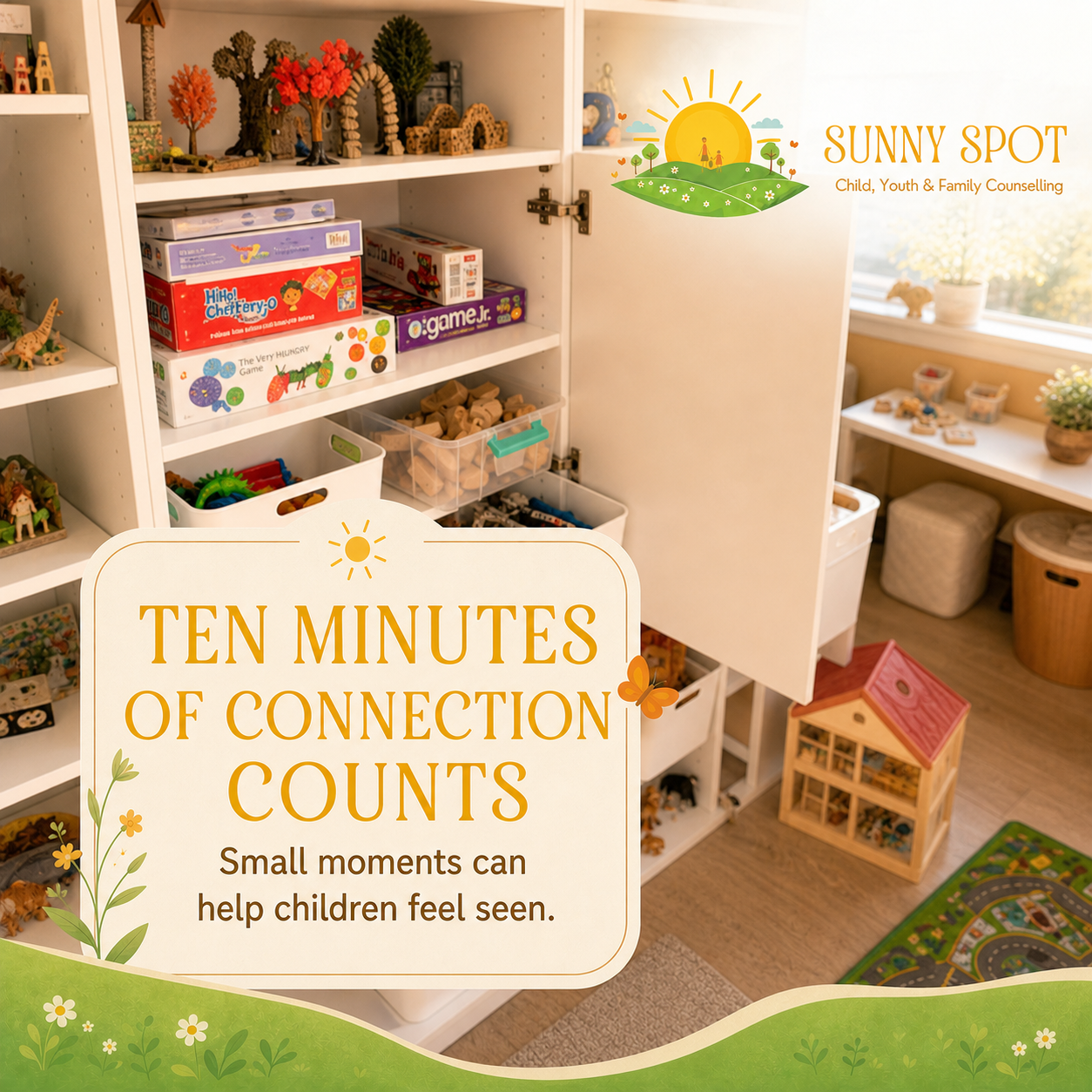
A practical listening script for parents who want to support a teen without rushing into advice, questions or solutions.
August 15, 2026Read Article
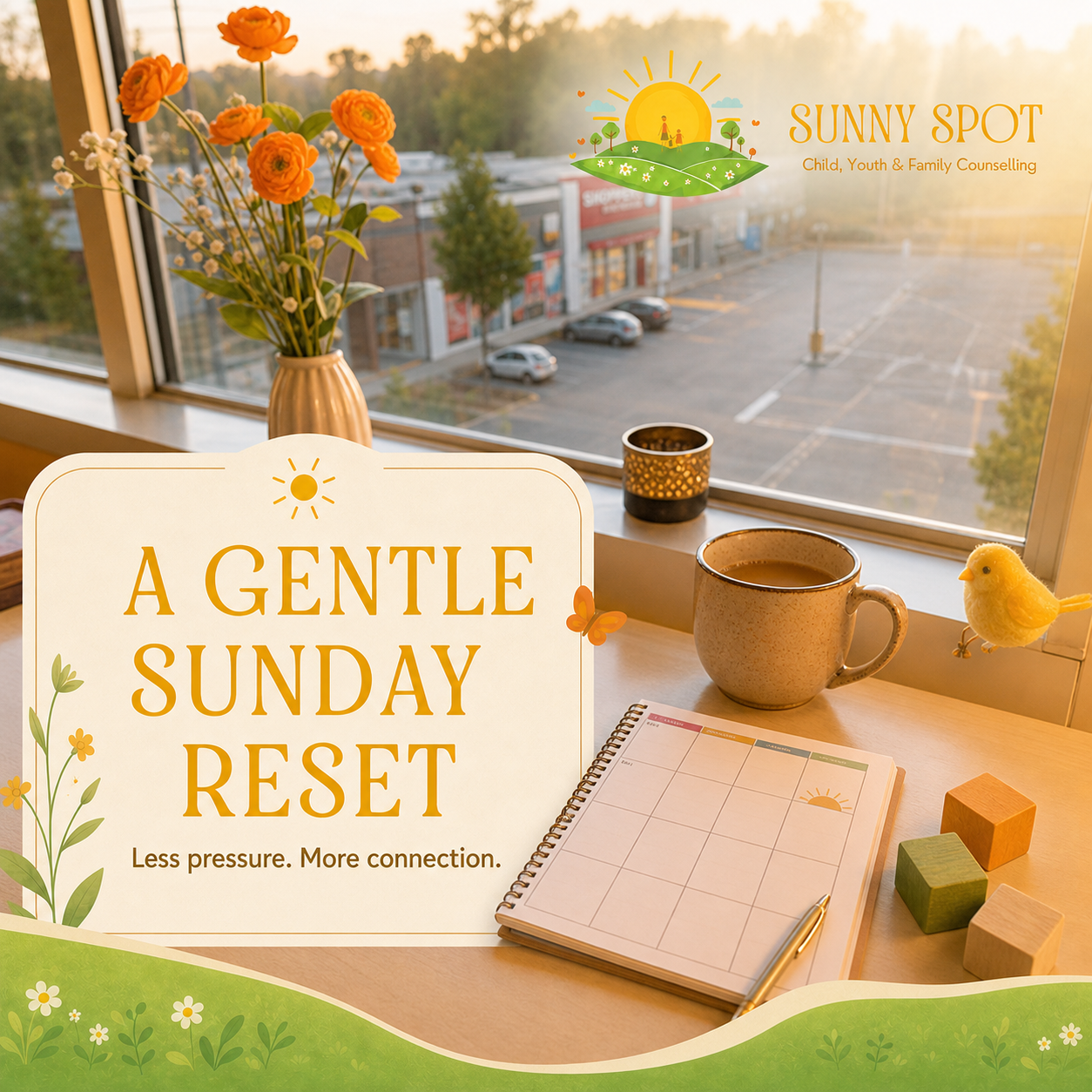
Counselling can begin before a breaking point. Learn what early support can look like for mothers and caregivers carrying too much.
August 15, 2026Read Article
ADHD & Neurodivergence
ADHD can make starting, organizing and finishing tasks difficult for teens. Learn how executive functioning affects school, emotions and family life.
August 13, 2026Read Article
A Sunday reset should reduce pressure, not create more of it. Try a simple family routine that makes room for preparation, connection, and rest.
August 9, 2026Read Article
Sibling conflict is stressful for the whole family. Learn a calmer repair process that focuses on safety, understanding, responsibility, and reconnection.
August 8, 2026Read Article
Parenting
I don't know can mean many things. Learn how to lower the pressure and help children communicate through choices, body clues, play, drawing, and time.
August 7, 2026Read Article
Child Counselling
Progress is not always dramatic or perfectly steady. Learn about the small, meaningful changes families may begin noticing during child counselling.
August 6, 2026Read Article
Parenting
Connection does not require a perfect activity or an empty calendar. Discover small ways to help your child feel seen during a busy family day.
August 5, 2026Read Article
Child Development
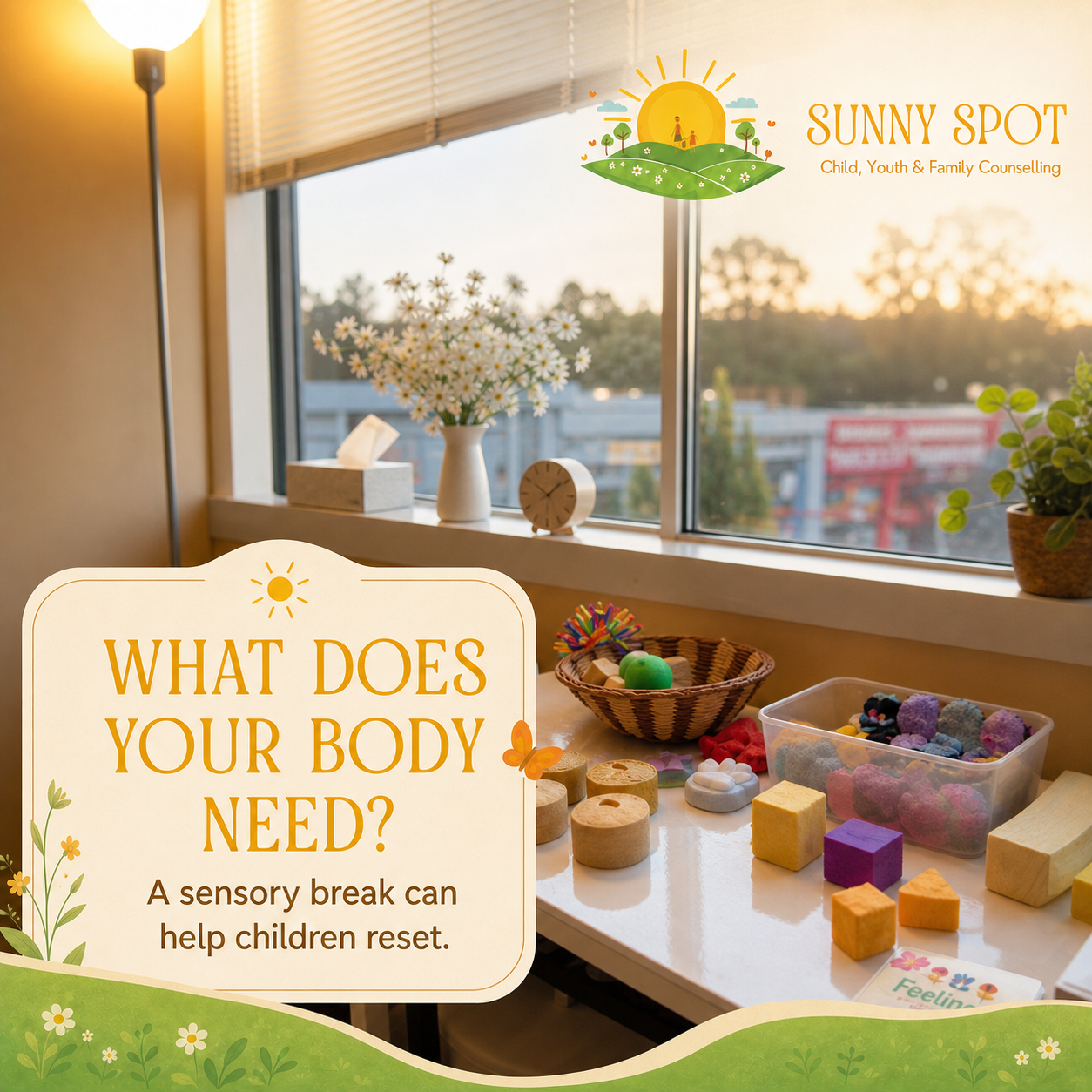
Sensory breaks do not have to be complicated. Learn how movement, quiet, texture, creativity, and reduced demands can help an overwhelmed child reset.
August 4, 2026Read Article
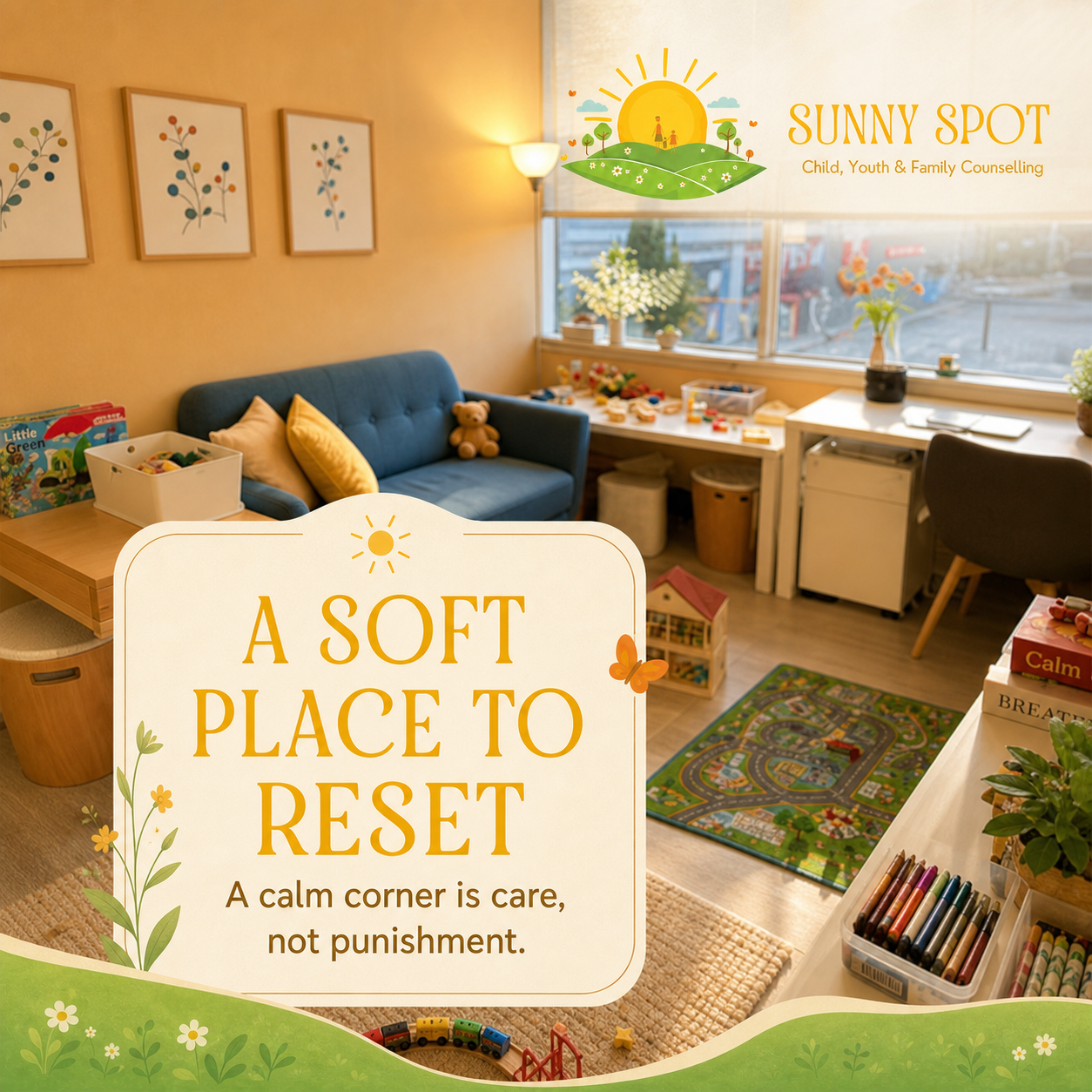
Emotional Regulation
A calming space can give children a gentle place to pause, regulate, and reconnect. Here is how mothers can create one without turning it into another demand.
August 3, 2026Read Article
About Sunny Spot
Busy family schedules should not make support impossible. Learn how evening and Sunday counselling options can make it easier to find a time that works.
August 2, 2026Read Article
Emotional Regulation
Children do not always have words for their emotions. Playful tools can help them notice feelings, communicate safely, and build emotional awareness.
August 2, 2026Read Article

Wondering whether your child could use extra support? Learn the difference between one hard day and a lasting pattern, the signs worth watching, and how to take a gentle first step.
July 21, 2026Read Article
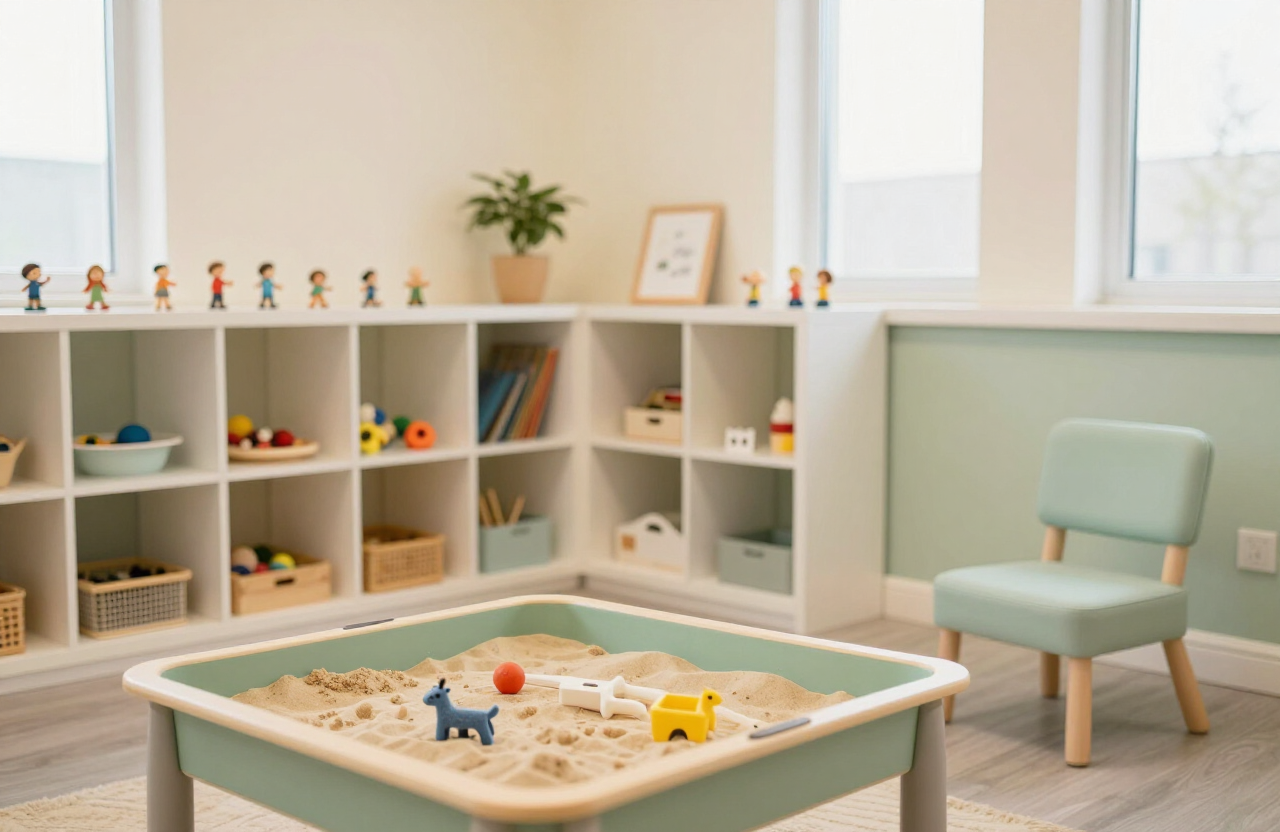
Child Counselling
Curious what to expect when your child starts counselling? A warm, step-by-step look at intake, preparing your child, the playroom, privacy, and how progress may unfold.
July 21, 2026Read Article

Play therapy and behaviour intervention are often framed as opposites, but they answer different questions. Here is a respectful, jargon-free look at both, and how they can work together.
July 21, 2026Read Article

Emotional Regulation
Meltdowns are not misbehaviour. They are a nervous system asking for help. Learn why co-regulation comes before self-regulation, what to do in the moment, and how to reconnect afterward.
July 21, 2026Read Article

Emotional Regulation
Some children hold everything together all day and release it at home. Learn how to respond with connection, lower demands, and support for regulation.
July 18, 2026Read Article
About Sunny Spot
Children rarely arrive at counselling ready to explain everything. Learn why trust, play, creativity, and connection create the foundation for meaningful therapy.
July 18, 2026Read Article
Play is the natural language of children. Learn how play therapy helps children in the Tri-Cities process emotions, build coping skills, and heal from difficult experiences.
May 15, 2026Read Article
Childhood anxiety is common, but it can feel overwhelming for the whole family. Discover gentle, evidence-based strategies to help your child manage worry and fear.
May 8, 2026Read Article
Neurodiversity-affirming care celebrates children with autism and ADHD as they are. Learn about this strengths-based approach and how it supports authentic growth.
April 29, 2026Read Article
Emotional Regulation
Tantrums, meltdowns, and big emotions are a normal part of development. Learn how to help your child build emotional regulation skills at home.
April 22, 2026Read Article
The teenage years bring unique pressures. Understand the signs your teen may benefit from counselling and how to start the conversation with care.
April 15, 2026Read Article
The mental load, exhaustion, and mom guilt can leave mothers running on empty. Learn how counselling for mothers helps you reconnect with yourself.
April 8, 2026Read Article
Counselling Near You
Sunny Spot Counselling in the Tri-Cities
Sheila offers in-person child, teen and family counselling from a Port Coquitlam office, welcoming families from across the Tri-Cities.
Email Updates
Get FREE Parent Resources & Sunny Spot Updates
Receive FREE parenting resources and a FREE workbook on anxiety, plus occasional Sunny Spot updates, blog posts, and gentle, practical support for families—straight to your inbox.