
When Your Child Says I Don't Know
You ask what happened at school.
"I don't know."
You ask why they are upset.
"I don't know."
You try again because you are worried, tired, and genuinely trying to help. The answer stays the same.
For mothers, "I don't know" can feel like a locked door. You may wonder whether your child is avoiding the truth, shutting you out, or refusing to cooperate.
Sometimes "I don't know" is the most accurate answer a child has in that moment.
What I don't know might mean
A child may not have words for what happened inside them. They may remember pieces but not the whole story. They may worry about giving the wrong answer, disappointing you, getting someone in trouble, or making the feeling bigger by talking about it.
They may also be hungry, overstimulated, embarrassed, or too emotionally flooded to organize their thoughts.
Treat "I don't know" as information, not defiance.
Lower the pressure
Repeating the same question can make a child feel more stuck. Try pausing and saying, "That is okay. You do not have to know right now," or, "We can come back to it later."
This does not mean ignoring important concerns. It means creating enough safety for communication to become possible.
Offer choices instead of open questions
Open questions require a lot of organizing. Choices can make the task smaller.
You might ask, "Was it more sad, angry, worried, or confusing?" or, "Did it happen during class, outside, or on the way home?"
Leave room for your child to reject every option. The goal is to offer a starting point, not force an answer.
Notice body clues
Some children can describe their body before they can name an emotion. Ask, "Did your body feel tight, hot, shaky, heavy, or buzzy?"
You can also share an observation without assuming you know the answer. "I noticed your shoulders got tight when we talked about school."
Communicate beside each other
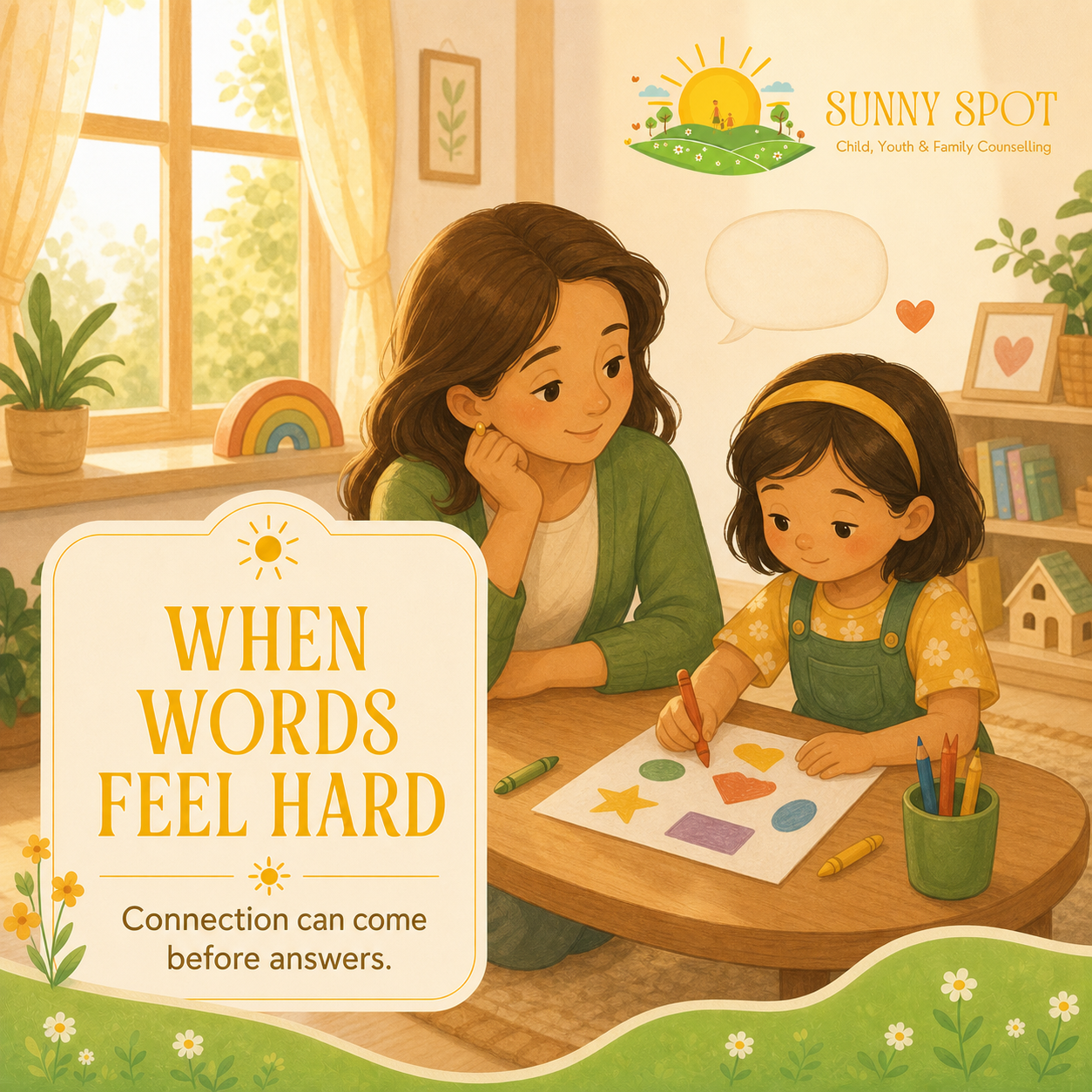
Conversation may feel easier while drawing, building, walking, driving, or playing. Looking directly at a parent and answering questions can feel intense. A shared activity reduces pressure and gives the child another way to express what words cannot yet hold.
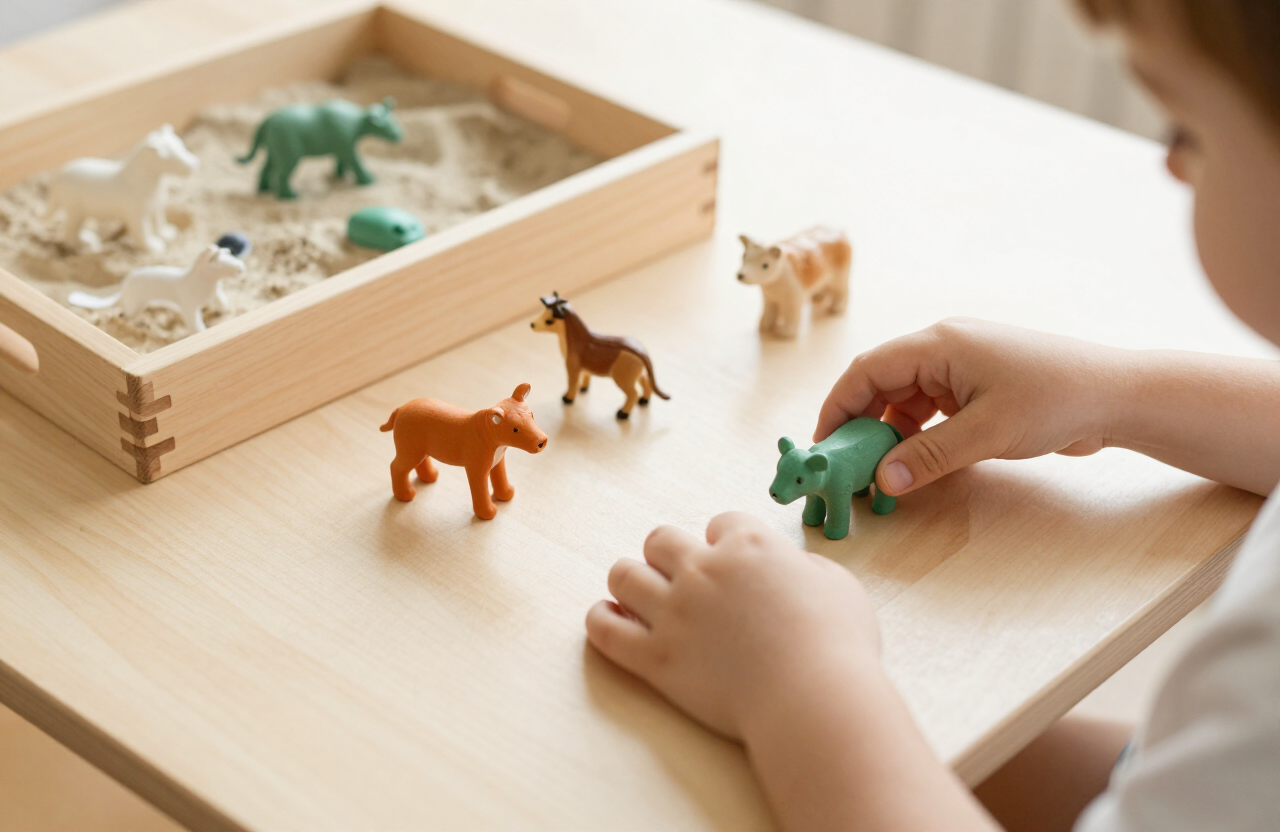
Try inviting your child to draw what the day felt like, choose a toy that matches the feeling, or show the size of the problem with their hands.
Return later with warmth
Children often share important things at unexpected times. Keep the door open by saying, "You can tell me later, even if you only remember one piece."
When they do return, listen before solving. Thank them for trusting you. Your calm response teaches them that difficult conversations can be safe.
A reminder for mothers
Your child's silence is not proof that you have failed to connect. Communication develops through repeated experiences of being listened to without pressure or judgment.
You do not need to unlock every answer tonight. Sometimes the most powerful message is, "I am here when the words come."
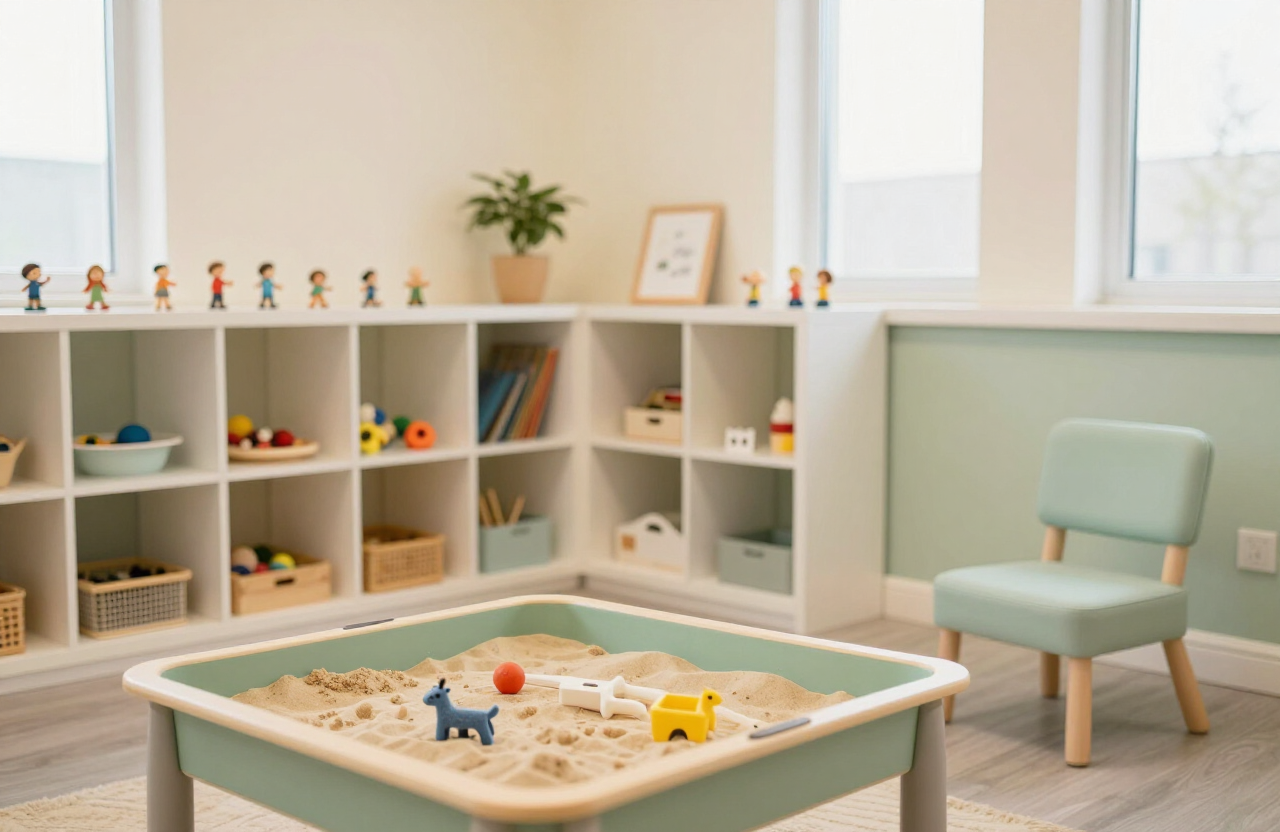
Sunny Spot offers playful, compassionate counselling for children, youth, parents, mothers, and families in Port Coquitlam and the Tri Cities.
Related services & support

Have Questions About Your Child?
Book a free 15 minute consultation to see if Sunny Spot is the right fit for your family.
Book a Free 15 Minute Consultation